
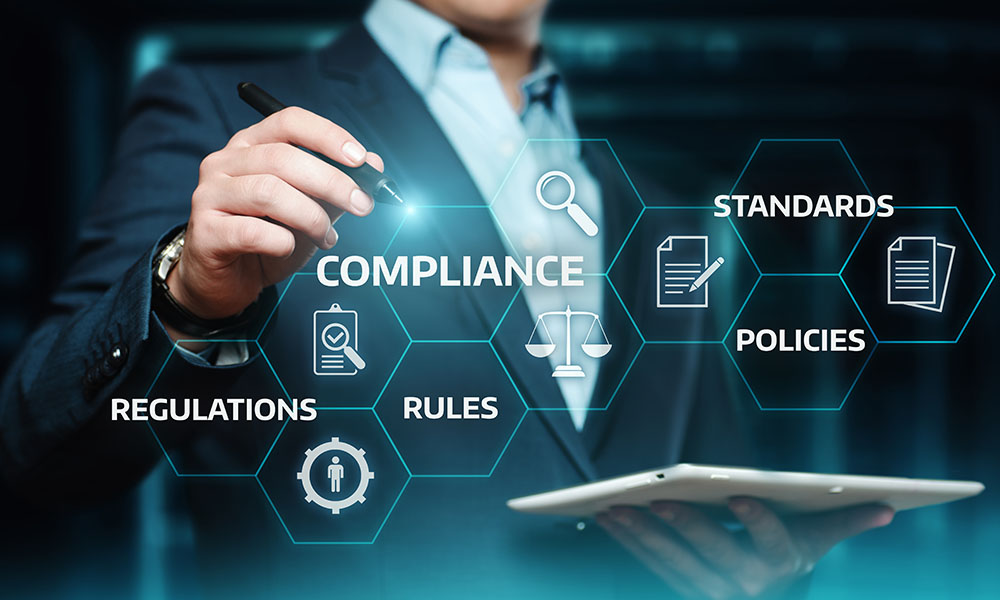
Running a business is not only about making profits, finding customers, or growing your brand. It also means following rules, laws, and standards set by governments and regulatory authorities. These rules are known as corporate compliance requirements.
Many business owners feel confused or overwhelmed when they hear the word “compliance.” It often sounds technical, complicated, and expensive. But in reality, corporate compliance is simply about doing business the right way.
In this article, we will clearly explain corporate compliance requirements in easy language, why they matter, and how companies can manage them without stress.
What Is Corporate Compliance?
Corporate compliance means that a company follows all laws, regulations, internal policies, and ethical standards that apply to its operations.
These rules can come from:
- Government authorities
- Industry regulators
- Labor departments
- Tax agencies
- Environmental organizations
Compliance applies to every type of business, whether it is a small startup, a growing company, or a large corporation.
In simple words, corporate compliance ensures that a business operates legally, ethically, and responsibly.
Why Corporate Compliance Is Important
Many companies underestimate the importance of compliance until they face penalties. But strong compliance brings many benefits.
1. Avoids Legal Trouble
Failure to follow laws can lead to:
- Heavy fines
- Lawsuits
- Business shutdowns
- Criminal charges in serious cases
Compliance helps companies stay on the safe side of the law.
2. Builds Trust
Customers, investors, and partners prefer working with businesses that operate ethically. Compliance improves your company’s reputation and credibility.
3. Protects Employees
Compliance includes labor laws, workplace safety, and fair treatment policies. This helps create a healthy and respectful work environment.
4. Supports Long-Term Growth
Companies that follow rules grow more smoothly because they face fewer disruptions, audits, or scandals.
Common Corporate Compliance Requirements Explained
Corporate compliance covers many areas. Below are the most common requirements businesses must follow.
1. Legal and Regulatory Compliance
Every business must follow national, state, and local laws, such as:
- Business registration laws
- Licensing requirements
- Contract laws
- Consumer protection laws
These laws define how a company can legally operate.
For example, a company must be properly registered, renew its licenses on time, and follow advertising regulations.
2. Financial and Tax Compliance
Financial compliance is one of the most important areas.
It includes:
- Filing accurate tax returns
- Paying corporate taxes on time
- Keeping proper financial records
- Following accounting standards
Mistakes or dishonesty in financial reporting can result in serious penalties or audits.
Companies often hire accountants or financial advisors to stay compliant in this area.
3. Employment and Labor Law Compliance
Businesses must follow labor laws that protect employees, such as:
- Minimum wage laws
- Working hour regulations
- Overtime rules
- Anti-discrimination policies
- Employee benefits regulations
Companies must also maintain proper employment contracts and payroll records.
Ignoring labor laws can lead to lawsuits, fines, and damage to company reputation.
4. Health and Safety Compliance
Workplace safety is a major responsibility for employers.
This includes:
- Providing a safe working environment
- Following occupational safety standards
- Training employees on safety procedures
- Reporting workplace accidents
Whether it’s an office, factory, or construction site, employee safety must be a top priority.
5. Data Protection and Privacy Compliance
With increasing digital activity, data protection has become essential.
Companies must protect:
- Customer personal data
- Employee records
- Financial information
Compliance laws such as data protection regulations require businesses to:
- Secure stored data
- Limit access to sensitive information
- Inform users how data is used
Data breaches can cause serious legal and financial consequences.
6. Environmental Compliance
Many businesses must follow environmental regulations, including:
- Waste disposal rules
- Pollution control standards
- Energy usage guidelines
- Emission limits
Environmental compliance helps protect nature and prevents long-term damage.
Companies that ignore these laws may face large fines or operational bans.
7. Ethical and Corporate Governance Compliance
Corporate compliance is not only about laws — it’s also about ethics.
This includes:
- Preventing fraud
- Avoiding corruption and bribery
- Managing conflicts of interest
- Maintaining transparent decision-making
Strong corporate governance ensures fairness, accountability, and honesty within the organization.
What Is a Corporate Compliance Program?
A corporate compliance program is a system that helps businesses follow rules consistently.
It usually includes:
- Written policies and procedures
- Employee training
- Internal monitoring
- Reporting systems for violations
- Regular audits
A good compliance program acts like a safety net that prevents mistakes before they become serious problems.
Role of a Compliance Officer
Many companies appoint a compliance officer or compliance team.
Their responsibilities include:
- Monitoring regulatory changes
- Updating company policies
- Training employees
- Investigating violations
- Communicating with regulators
In small businesses, this role may be handled by management or external consultants.
Challenges Businesses Face with Compliance
Even though compliance is important, companies often face difficulties.
Common challenges include:
- Constant changes in laws
- Complex regulations
- Lack of employee awareness
- Limited budget for compliance systems
However, ignoring compliance is far more costly than managing it properly.
How Businesses Can Stay Compliant
Here are practical ways to maintain corporate compliance:
1. Stay Updated
Laws change regularly. Businesses should monitor updates or consult legal experts.
2. Create Clear Policies
Written rules help employees understand what is expected of them.
3. Train Employees
Regular training ensures staff know how to follow compliance rules.
4. Keep Accurate Records
Good documentation protects companies during audits or investigations.
5. Conduct Internal Audits
Audits help identify risks early before they turn into violations.
Corporate Compliance in the Modern Business World
Today, corporate compliance is more important than ever.
With globalization, digital systems, and strict regulations, companies are expected to operate transparently and responsibly.
Businesses that invest in compliance are not just avoiding penalties — they are building strong foundations for trust, stability, and long-term success.
Compliance is no longer a burden. It is a business advantage.
Conclusion
Corporate compliance requirements explained in simple terms come down to one idea: follow the rules and act responsibly.
From legal obligations and taxes to employee safety and data protection, compliance touches every part of a business.
While it may seem complex at first, having the right systems, training, and awareness makes compliance manageable and beneficial.
Companies that take compliance seriously protect themselves, their employees, and their future.
Frequently Asked Questions (FAQs)
1. What happens if a company does not follow compliance requirements?
Non-compliance can lead to fines, legal action, damaged reputation, loss of licenses, or even business closure.
2. Is corporate compliance only for large companies?
No. Compliance applies to businesses of all sizes, including startups and small businesses.
3. Do companies need a compliance officer?
Large organizations usually need one, while small businesses may manage compliance through management or external advisors.
4. How often should compliance policies be reviewed?
Policies should be reviewed at least once a year or whenever regulations change.
5. Can compliance improve business growth?
Yes. Strong compliance builds trust, reduces risks, and creates a stable environment for long-term growth.