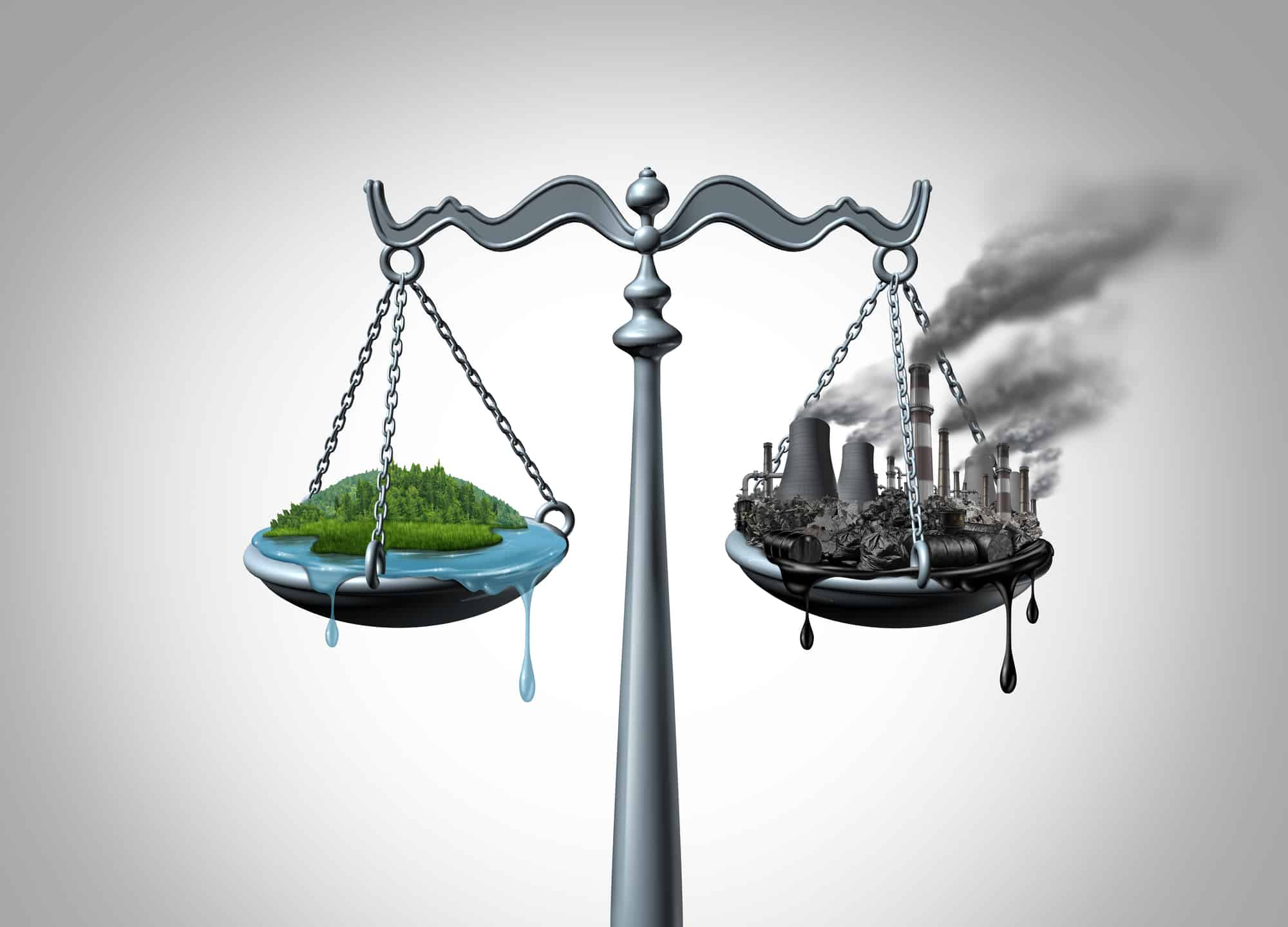
In today’s fast-growing world, development and environmental protection must go hand in hand. Industries, cities, transportation, and technology are expanding rapidly, but at the same time, pollution, climate change, deforestation, and loss of wildlife are increasing. To control these problems and protect nature, environmental law plays a very important role.
Environmental law is not only about protecting trees or animals; it is about protecting human life, natural resources, and the future of the planet. This article explains the meaning and scope of environmental law in simple and easy words.
Meaning of Environmental Law
Environmental law refers to a set of rules, regulations, and legal principles made by governments to protect the environment from damage caused by human activities.
In simple words, environmental law is the law that controls how people use natural resources like air, water, land, forests, wildlife, and minerals. Its main aim is to maintain a healthy balance between development and environmental protection.
Environmental law ensures that:
- Air remains clean to breathe
- Water remains safe to drink
- Soil remains fertile
- Forests and wildlife are protected
- Industries follow pollution control rules
These laws also hold individuals, companies, and governments responsible if they harm the environment.
Why Environmental Law Is Important
Environmental law is important because the environment directly affects human survival. Without clean air, safe water, and healthy land, life on Earth becomes difficult.
Some key reasons why environmental law is necessary include:
1. Protection of Human Health
Polluted air and water cause diseases such as asthma, cancer, skin infections, and stomach illnesses. Environmental laws reduce these health risks.
2. Conservation of Natural Resources
Natural resources are limited. Environmental law ensures that they are used wisely and not wasted or destroyed.
3. Control of Pollution
Industries, vehicles, and waste materials create pollution. Laws help control harmful emissions and waste dumping.
4. Protection of Wildlife and Forests
Environmental law protects endangered animals and prevents illegal hunting and deforestation.
5. Sustainable Development
Development should meet present needs without destroying the future. Environmental law supports sustainable growth.
Evolution of Environmental Law
Environmental law developed mainly after people realized that industrial growth was damaging nature. In earlier times, there were very few laws related to the environment.
Major growth in environmental law occurred:
- After industrialization
- Due to major pollution disasters
- After international environmental conferences
Globally, events like oil spills, chemical leaks, and climate change increased awareness and forced governments to take legal action.
Today, almost every country has environmental laws and participates in international environmental agreements.
Scope of Environmental Law
The scope of environmental law is very wide. It covers almost every aspect of environmental protection. It does not focus on one issue only but deals with multiple environmental components.
Below are the major areas included in the scope of environmental law:
1. Protection of Air Quality
Air pollution is one of the biggest environmental problems today. Smoke from vehicles, factories, and burning fuels pollutes the air.
Environmental laws regulate:
- Emission standards for industries
- Vehicle pollution limits
- Use of clean fuels
- Control of harmful gases
These laws aim to reduce diseases caused by polluted air and improve overall air quality.
2. Protection of Water Resources
Water is essential for life. Rivers, lakes, groundwater, and oceans are often polluted by industrial waste, sewage, and chemicals.
Environmental law covers:
- Prevention of water pollution
- Regulation of industrial discharge
- Protection of drinking water sources
- Conservation of rivers and wetlands
Such laws ensure clean water for humans, animals, and agriculture.
3. Control of Noise Pollution
Noise pollution from traffic, factories, construction, and loudspeakers affects mental and physical health.
Environmental law controls:
- Permitted noise levels
- Use of loudspeakers
- Industrial noise standards
- Silence zones near hospitals and schools
This helps maintain peace and public health.
4. Waste Management
Improper waste disposal harms land, water, and air. Environmental law regulates:
- Solid waste management
- Plastic waste control
- Biomedical waste disposal
- Electronic waste management
These rules help promote recycling and safe disposal methods.
5. Forest and Wildlife Protection
Forests maintain ecological balance and wildlife biodiversity. Environmental law protects:
- Forest land from illegal cutting
- Wildlife from poaching
- Endangered species
- National parks and sanctuaries
These laws ensure survival of species and protect natural habitats.
6. Environmental Impact Assessment (EIA)
Before starting big projects like dams, highways, industries, or mining, environmental law requires an Environmental Impact Assessment.
EIA helps to:
- Study environmental damage
- Suggest preventive measures
- Reduce long-term harm
- Promote eco-friendly planning
This process ensures development without severe environmental destruction.
7. Climate Change Regulation
Climate change is a global environmental issue. Environmental law addresses:
- Reduction of greenhouse gases
- Promotion of renewable energy
- Energy efficiency standards
- International climate agreements
These laws help fight global warming and protect future generations.
8. Public Participation and Awareness
Modern environmental law encourages public involvement.
It allows citizens to:
- File complaints
- Approach environmental courts
- Participate in environmental decision-making
- Demand transparency
Public awareness strengthens environmental protection.
9. Environmental Justice
Environmental law also focuses on fairness. Poor communities often suffer more from pollution.
Environmental justice ensures:
- Equal protection for all people
- No discrimination in environmental policies
- Protection of vulnerable communities
This makes environmental law socially balanced.
Role of Government in Environmental Law
Governments play a major role in enforcing environmental law. Their responsibilities include:
- Making environmental policies
- Monitoring pollution levels
- Punishing law violators
- Promoting green technology
- Supporting environmental education
Without proper enforcement, laws remain only on paper.
Role of Courts in Environmental Law
Courts play a very important role in environmental protection. They interpret laws and punish polluters.
Courts often apply important principles such as:
- Polluter Pays Principle – the polluter must pay for damage
- Precautionary Principle – prevent harm before it occurs
- Sustainable Development Principle – balance growth and environment
Judicial support has strengthened environmental law worldwide.
Challenges in Environmental Law
Despite strong laws, several challenges exist:
- Weak enforcement
- Lack of public awareness
- Industrial pressure
- Corruption
- Slow legal processes
These challenges reduce the effectiveness of environmental law and need serious attention.
Future of Environmental Law
The future of environmental law is very important for the survival of the planet.
In coming years, environmental law will focus more on:
- Climate change control
- Green energy laws
- Carbon neutrality
- Plastic-free policies
- Global cooperation
Strong environmental laws can help build a cleaner, healthier, and safer world.
Conclusion
Environmental law is one of the most important branches of modern law. It protects nature, human health, wildlife, and natural resources. Its scope is wide and includes air, water, land, forests, climate, waste management, and sustainable development.
In simple terms, environmental law teaches us that development should not destroy nature. Protecting the environment today means protecting life tomorrow.
A strong legal system, public awareness, responsible industries, and active governments together can ensure environmental safety for future generations.
Frequently Asked Questions (FAQs)
1. What is environmental law in simple words?
Environmental law is a set of rules made to protect nature and prevent pollution caused by human activities.
2. What is the main objective of environmental law?
The main objective is to protect the environment and ensure sustainable development.
3. What does the scope of environmental law include?
It includes air, water, land, wildlife, forests, waste management, climate change, and environmental protection policies.
4. Who enforces environmental laws?
Environmental laws are enforced by governments, pollution control authorities, and courts.
5. Why is environmental law important for future generations?
Because it protects natural resources and ensures a healthy environment for future human survival.